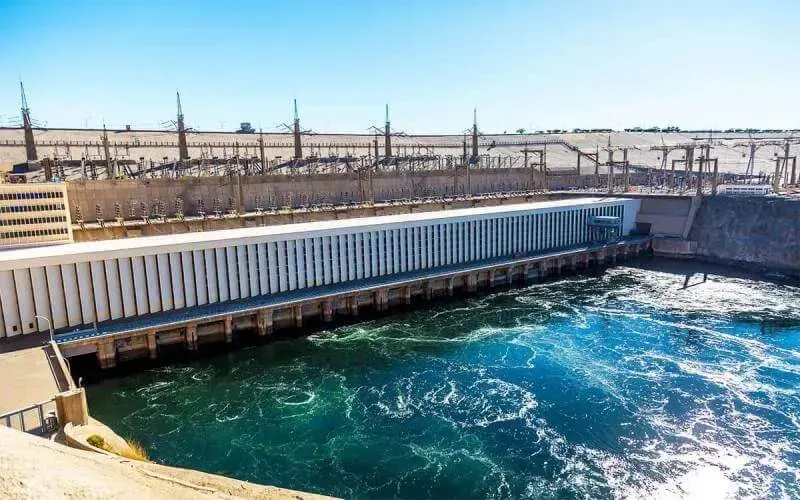
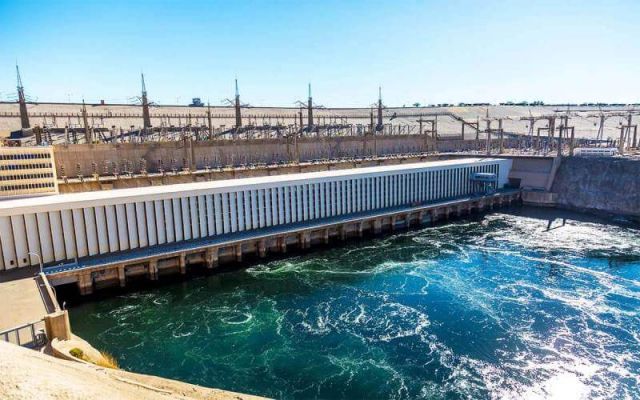
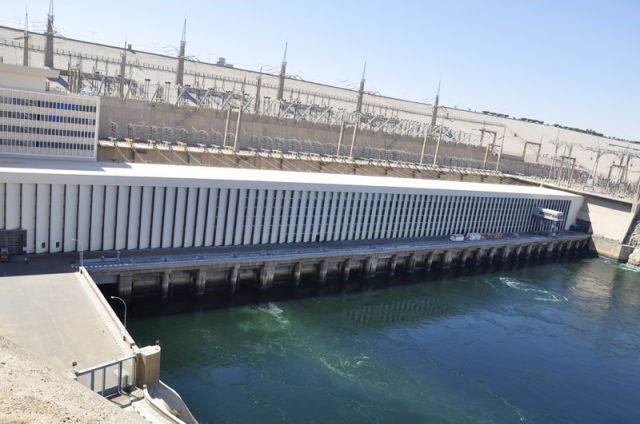
The Aswan High Dam is one of the largest embankment dams ever built — and the reason the ancient temples of Abu Simbel had to be moved. Completed in 1970 after a decade of construction involving 35,000 Egyptian workers and Soviet engineers, the dam holds back the Nile with 111 metres of compacted rock and clay, creating Lake Nasser — the world’s third-largest reservoir by volume, stretching 550km south into Sudan. The dam ended Egypt’s millennia-long relationship with the Nile’s annual flood cycle — a transformation that simultaneously saved Egypt from catastrophic flooding, enabled year-round irrigation, generated electricity for 50% of the country, and submerged 80,000 years of Nubian history beneath 12 metres of water. It is one of the most consequential engineering decisions in modern history.
Aswan High Dam 2026 — Complete Visitor Guide
Key Facts
| Location | 8km south of Aswan city on the River Nile |
| Construction | 1960–1970 — Egyptian government + Soviet Union collaboration |
| Height | 111 metres — as tall as a 37-storey building |
| Length | 3,830 metres — nearly 4km wide |
| Lake Nasser | 550km long · 35km wide at maximum · 132 km³ volume · 3rd largest reservoir in the world |
| Power Generation | 2,100 MW · 12 turbines · once supplied 50% of Egypt’s electricity |
| Entrance Fee 2026 | ~200 EGP (~$4) — viewpoint access. Brief visit only. |
| Time Needed | 30–45 minutes (viewpoint + monument + photography) |
What You See at the Dam
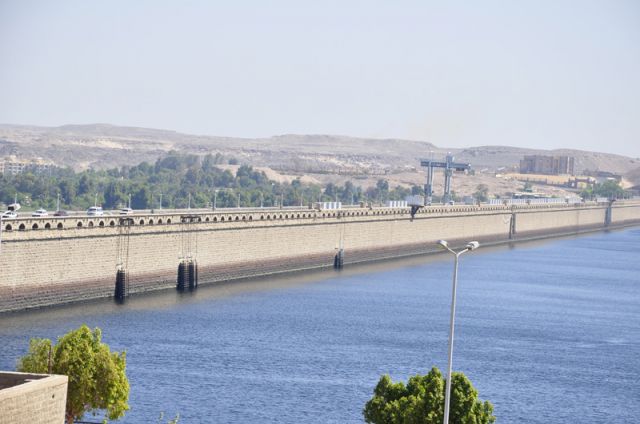
A visit to the Aswan High Dam is not an archaeological experience — it is a modern engineering one. The visitor viewpoint on the dam road gives extraordinary views of Lake Nasser on one side (a vast inland sea of deep blue stretching to the horizon in every direction) and the Nile downstream on the other side (narrower, greener, already constrained). The contrast between the two sides — before and after the dam — makes the scale of the intervention immediately comprehensible.
The Soviet-Egyptian Friendship Monument
At the western end of the dam stands the Soviet-Egyptian Friendship Monument — a stylised lotus flower rising from a geometric form inspired by a pyramid, built in 1971 to commemorate the collaboration between Egypt and the Soviet Union that made the dam possible. The monument is an interesting Cold War artefact: the Aswan Dam was one of the defining geopolitical projects of the 1950s-60s, when Egypt under President Nasser turned to the Soviet Union after the USA and UK withdrew funding. Your Egyptologist guide can explain the political context that made a dam on the Nile a flashpoint of the Cold War — a story that begins with Suez Canal nationalisation and ends with Soviet engineers teaching Egyptians to build the largest dam of its time.
The Dam and Abu Simbel — The Essential Connection
The Aswan High Dam and Abu Simbel are inseparable stories. The dam created Lake Nasser. Lake Nasser was rising to permanently submerge the temples of Abu Simbel. The UNESCO rescue operation (1964–1968) that moved the temples to higher ground was made necessary by the dam. Standing at the dam viewpoint and understanding that the vast lake behind you is what forced a 3,200-year-old temple to be cut into 1,036 blocks and reassembled 65 metres above its original position is one of the most clarifying moments of any Aswan visit.
How the Dam Is Visited on a Nile Cruise
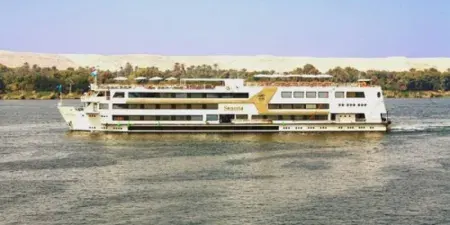
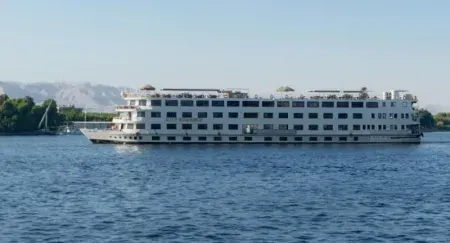
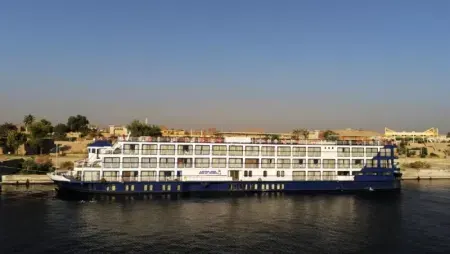
The High Dam is visited on the last day of every Nile cruise arriving in Aswan from Luxor, typically combined with the Philae Temple and the Unfinished Obelisk. The visit sequence is usually: Unfinished Obelisk (30 min) → High Dam (30–45 min) → motorboat to Philae Temple (90 min). All entrance fees are included in Egypt For Travel Nile cruise packages. Browse Nile cruises from $499.
Frequently Asked Questions
Why was the Aswan High Dam built?
The Aswan High Dam was built for three interconnected reasons: flood control (the Nile’s annual inundation caused catastrophic damage in high-flood years and drought in low-flood years), irrigation (year-round water storage would allow Egyptian agriculture to expand beyond the flood cycle dependency) and electricity (Egypt’s industrialisation plans required massive new power generation). Construction began in 1960 under President Gamal Abdel Nasser using Soviet engineering and funding after the USA and UK withdrew from the project following Egypt’s nationalisation of the Suez Canal in 1956.
What happened to the Nubians when Lake Nasser flooded?
The creation of Lake Nasser displaced approximately 80,000–100,000 Nubian people whose villages and farmlands lay in the lake’s future footprint. Most were relocated to sites north of Aswan and to the Kom Ombo area in 1963–64, a process that destroyed communities with 10,000-year continuous histories. The Nubian Museum in Aswan (200 EGP) documents this history comprehensively and is one of the finest small museums in Egypt. The Nubian village on Aswan’s West Bank is a living community of descendants of the relocated population.
The High Dam is included in all Egypt For Travel Nile cruises from $499 per person, combined with Philae Temple and Unfinished Obelisk on the final Aswan day. Browse Nile cruises or WhatsApp: +20 155 555 2466. ETA Licence No. 1947.
 -.webp)