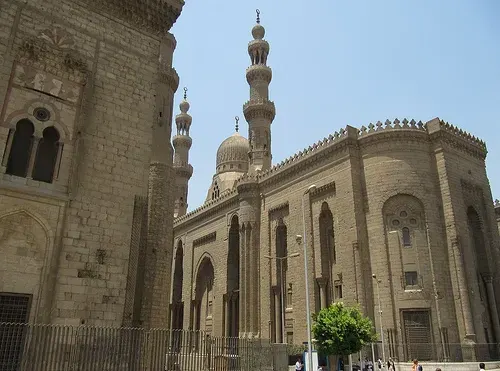
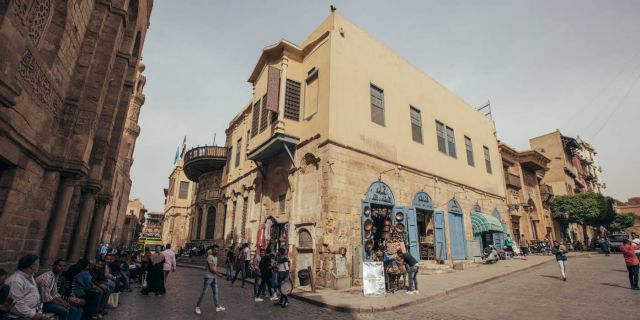
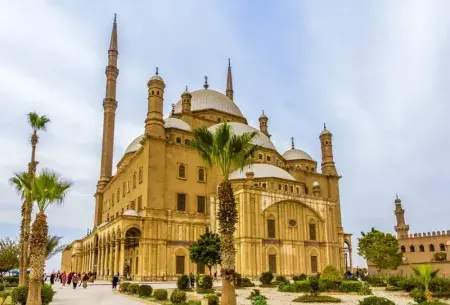
Islamic Cairo (Historic Cairo — a UNESCO World Heritage Site since 1979) is the most densely concentrated area of medieval Islamic monuments anywhere in the world. Within a 2km radius of Al-Azhar Mosque are more than 600 mosques, minarets, madrasas, mausoleums, caravanserais, palaces and fortifications from the 7th to 19th centuries — more medieval Islamic architecture than exists in the whole of Iran, Turkey and Morocco combined. For visitors, this means that walking through the streets of Islamic Cairo is one of the most genuinely extraordinary urban experiences on earth: the medieval city is not a museum recreation. It is still lived in, still prayed in, still trading in the same alleys as it has for a thousand years. The Khan El-Khalili bazaar sits at its centre, and the Saladin Citadel towers above its southern edge.
Islamic Cairo 2026 — Complete Visitor Guide
Quick Facts
| Location | Central Cairo · 20 minutes from Tahrir Square by Uber |
| UNESCO Status | World Heritage Site since 1979 — “Historic Cairo” |
| Period | 7th century (Islamic conquest) to 19th century (Ottoman period) |
| Al-Muizz Street | FREE — open pedestrian street at all times |
| Mosque entry (most) | FREE or ~50 EGP for major sites · Shoes off at entrance |
| Best Time | 9:00–11:00 AM (coolest, locals shopping) OR after 7:00 PM (illuminated, atmospheric) |
The Essential Islamic Cairo Circuit
1. Al-Muizz Street — The Medieval Spine
Al-Muizz li-Din Allah Street — named after the Fatimid Caliph who conquered Cairo in 969 AD — is the original main artery of the medieval city, running 1km from the northern gate (Bab al-Futuh) to the southern gate (Bab Zuweila). The entire street is lined with intact medieval monuments: Mamluk palaces with inlaid marble facades, Ottoman fountains (sabils) with attached Quranic schools (kuttabs), Fatimid gateways still standing after 1,000 years, and mosques from every period of Islamic rule in Egypt. The street was pedestrianised and restored in the 2000s. Walking it from north to south (starting at Bab al-Futuh) takes approximately 45 minutes at a leisurely pace without stopping. With stops at each monument: 2–3 hours. Entirely free.
.jpg?1781817802089)
2. Ibn Tulun Mosque — The Oldest & Most Magnificent
The Mosque of Ibn Tulun (876–879 AD) is the oldest intact mosque in Cairo and one of the finest pieces of Islamic architecture in existence. Built by Ahmad Ibn Tulun, governor of Egypt for the Abbasid Caliphate, it is modelled on the Great Mosque of Samarra in Iraq and is unique in Cairo for its vast open courtyard (the sahn), its pointed arches — the earliest use of this form in Egypt — and its extraordinary spiral external minaret, a helicoidal tower that stands apart from every other minaret in Egypt. The mosque covers 2.5 hectares and can hold 100,000 worshippers. Entry is approximately 80 EGP. Allow 45 minutes. It is the most architecturally significant mosque in Cairo and the one most visitors miss by staying only in the Khan El-Khalili area.
3. Sultan Hassan Mosque — The Mamluk Masterpiece
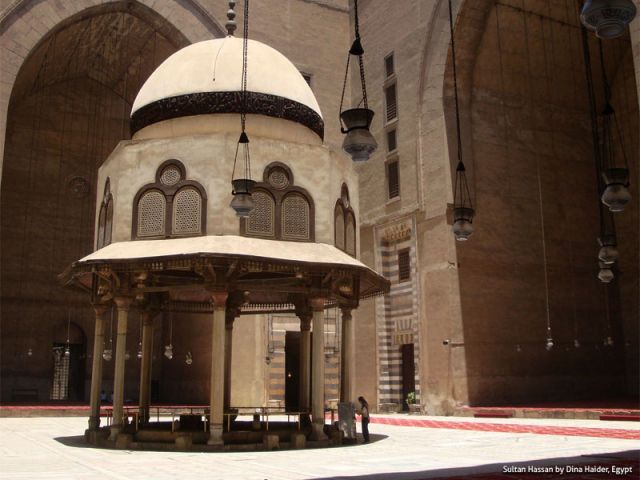
The Mosque-Madrasa of Sultan Hassan (1356–1363 AD) is widely regarded as the finest piece of Mamluk architecture in the world — and one of the greatest buildings in Islamic history. The facade alone is 38 metres high. The entrance portal (36 metres) is the largest in the Islamic world. Inside, four iwans (vaulted halls) face a central courtyard, each dedicated to one of the four Sunni schools of Islamic jurisprudence, so students of all four traditions could study simultaneously in the same building. The ceiling of the interior dome (completed 1361) is extraordinary. Entry is approximately 100 EGP. The view from the portal steps across to the illuminated Saladin Citadel (directly opposite) is one of the great photographic moments of Cairo.
4. Al-Azhar Mosque — The World’s Oldest University
Al-Azhar Mosque, founded in 970 AD by the Fatimid general Jawhar al-Siqilli, is both a functioning mosque and the oldest continuously operating university in the world — teaching theology, Islamic law, Arabic and philosophy to thousands of students simultaneously for over 1,050 years. The current building is a composite of ten centuries of additions: Fatimid arches, Mamluk minarets, Ottoman gates, each century leaving its layer. Visitors are welcome outside prayer times. Women must cover their heads (scarves available at the entrance). No entrance fee. Attached to Al-Azhar is the Khan El-Khalili bazaar, making this a natural combined visit.
5. Bab Zuweila — The Southern Gate
Bab Zuweila (1092 AD) is the only surviving southern gate of medieval Fatimid Cairo — a twin-towered gateway with two minarets added in the 15th century by the Mamluk Sultan Al-Muayyad. Until the 19th century, executions were carried out here and defeated enemies’ heads displayed on the battlements. Visitors can climb the minarets of the adjacent mosque for one of the finest elevated views of Islamic Cairo available from street level. Entry approximately 80 EGP including minaret climb.
Islamic Cairo Entrance Fees 2026
| Site | Fee 2026 | Time Needed |
|---|---|---|
| Al-Muizz Street | FREE | 45 min–3 hours |
| Al-Azhar Mosque | FREE | 30–45 minutes |
| Khan El-Khalili Bazaar | FREE | 1–3 hours |
| Ibn Tulun Mosque | ~220 EGP (~$4) | 45 minutes |
| Sultan Hassan Mosque | ~220 EGP (~$4) | 45–60 minutes |
| Al-Rifa’i Mosque | ~220 EGP (~$4) | 30 minutes (burial place of last Shah of Iran) |
| Bab Zuweila + Minaret Climb | ~220 EGP (~$4) | 30 minutes |
Frequently Asked Questions
How much time do you need for Islamic Cairo?
A focused half-day (4 hours) covers: Al-Muizz Street walk → Al-Azhar Mosque → Khan El-Khalili → Fishawi’s Coffee House → Sultan Hassan + Al-Rifa’i mosques. A full day adds Ibn Tulun, the Gayer-Anderson Museum (adjacent to Ibn Tulun, ~100 EGP), Bab Zuweila and a proper lunch. Most Egypt For Travel Cairo itineraries combine Islamic Cairo with the Saladin Citadel and Coptic Cairo in a single guided day. Our Tour to Museum, Citadel and Old Cairo ($55) covers the key highlights of all three areas with a licensed Egyptologist guide.
Do women need to cover up in Islamic Cairo?
For mosque visits: yes. Cover shoulders and knees, and carry a scarf to cover your head when entering mosques (required for women, respectful for men to remove shoes). Scarves are usually available at mosque entrances if you forget yours. On the streets of Islamic Cairo including Al-Muizz Street and Khan El-Khalili, there is no dress requirement — though modest, comfortable clothing is practical in the heat and culturally respectful. Your Egyptologist guide advises at each specific site.
Explore Islamic Cairo with a licensed Egyptologist guide through Egypt For Travel’s Tour to Museum, Citadel and Old Cairo ($55). Covers Khan El-Khalili, Al-Muizz Street, the Saladin Citadel and Coptic Cairo — all entrance fees, private guide, private vehicle. WhatsApp: +20 155 555 2466. ETA Licence No. 1947.
 -.webp)