Egypt is an intense destination — in the best possible way. The monuments are overwhelming. The heat is real. The bazaars are loud and fragrant and disorienting. The pace of life in Cairo is unlike anything most Western visitors have experienced. All of this is part of what makes Egypt extraordinary, and none of it needs to be a problem if you arrive prepared. The travellers who struggle in Egypt are almost always the ones who were not told what to expect. The ones who thrive are those who came ready — with the right clothes, the right attitude, and the right practical knowledge. This guide gives you all three.
Quick-Reference Comfort Checklist
| Category | Essential | Recommended |
|---|---|---|
| Clothing | Lightweight long-sleeved tops · long trousers/skirts · scarves for temple modesty | Linen or moisture-wicking fabrics · compression socks for flights · light layer for evenings (Oct–Mar) |
| Footwear | Comfortable closed walking shoes · slip-on shoes for mosques | Sandals for evenings · flip-flops for cruise ship deck and pool |
| Sun protection | SPF 50 sunscreen · wide-brimmed hat · UV sunglasses | UV-protective clothing · portable shade umbrella · sun sleeves |
| Hydration | Reusable water bottle (refill from sealed bottles) · oral rehydration salts | Electrolyte tablets · insulated bottle to keep water cold |
| Health | Diarrhoea medication · antacids · antihistamine · personal prescriptions | Travel insurance · hepatitis A vaccination · probiotic supplements |
| Money | USD/EUR for exchange · ATM card with no foreign fees · small EGP bills for tipping | Money belt or hidden pouch · backup card stored separately |
| Electronics | Universal adapter (Egypt uses Type C/F plugs, 220V) · portable charger | Offline maps downloaded · VPN if needed · local SIM card |
| Documents | Passport (6+ months validity) · visa ($25 on arrival) · travel insurance details | Photo copies stored separately · digital copies in cloud · Egypt For Travel emergency contact |
Dressing for Egypt: What to Wear at Every Site
Clothing in Egypt requires balancing two competing demands: staying cool in temperatures that frequently exceed 35°C, and dressing modestly enough to be respectful at religious sites and comfortable in conservative local communities. The good news is that these demands are not contradictory — the traditional Egyptian solution (loose, lightweight, long-sleeved linen clothing) addresses both simultaneously and is also the most practical approach for sun protection.
| Site Type | Women | Men |
|---|---|---|
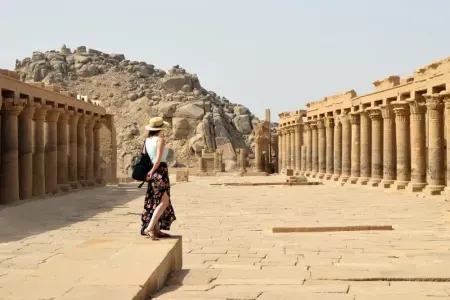
| Ancient temples & tombs | Comfortable and practical — shorts acceptable, hat essential | Shorts acceptable · hat essential · light shirt |
| Mosques | Head covered (scarf) · shoulders and knees covered · shoes off at entrance | Long trousers · shoulders covered · shoes off |
| Coptic churches | Shoulders and knees covered · head covering respectful but not always required | Shoulders covered · long trousers preferred |
| Bazaars & city streets | Modest clothing strongly recommended — you will be more comfortable and attract less attention | Casual but covered — shorts are fine in tourist areas |
| Red Sea / Sinai beaches | Standard swimwear at resort beaches · cover up when leaving beach area | Standard swimwear at resort beaches |
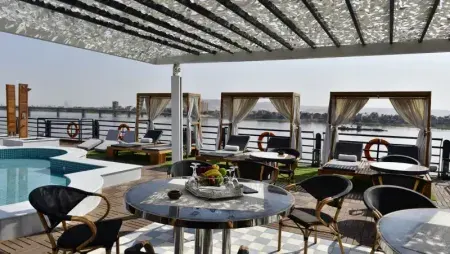
| Nile cruise ship | Smart-casual for evenings · practical for day excursions · swimwear at pool | Smart-casual evenings · practical day clothes · swimwear at pool |
Heat Management: Staying Comfortable in Egypt's Climate
The heat is Egypt's most significant practical challenge for international visitors, particularly in Luxor and Aswan in summer (June–August) where temperatures regularly reach 42–45°C. Even in the "comfortable" season (October–April), midday temperatures in Upper Egypt commonly exceed 30°C, and the desert sun is intense at any time of year. Heat-related illness — from mild dehydration to heat exhaustion — is the most common reason visitors need medical attention in Egypt. It is entirely preventable with basic precautions.
Hydrate aggressively. Drink minimum 2–3 litres of water per day in cool weather; 3–4 litres in summer. This is significantly more than most visitors are accustomed to drinking at home. Don't wait until you feel thirsty — in dry desert heat, thirst is a lagging indicator. Carry a 1-litre bottle and refill it from sealed bottles throughout the day. Egypt For Travel provides cold water in all private vehicles.
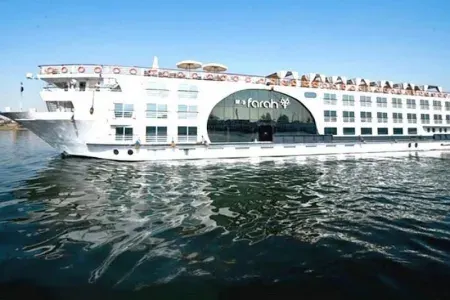
Time your outdoor exposure. Schedule outdoor site visits for early morning (08:00–11:00) and late afternoon (15:30–17:30), avoiding the peak heat of 11:00–15:00. This is also when sites are least crowded. Nile cruise ships typically follow this schedule — sailing during the hottest part of the day, visiting temples in the cooler morning and evening.
Use the shade strategically. At the Pyramids and other open sites with limited shade, your hat and sun umbrella are not optional extras — they are essential kit. In the Valley of the Kings, the tombs themselves are cool and shaded; use them as your resting points between outdoor walking.
What no other guide tells you: The most common mistake first-time Egypt visitors make is underestimating the cumulative effect of the sun. You may feel fine at 10:00 AM and genuinely unwell by 13:00 — not from any illness, but from 3 hours of unprotected sun exposure in conditions that your body's cooling system was not designed for. Egyptologists and archaeologists who work in Egypt wear full-length cotton clothing, wide hats, and rarely remove them outdoors between 09:00 and 16:00. Follow their example.
Money in Egypt: What You Need to Know
| Topic | What to Know |
|---|---|
| Currency | Egyptian Pound (EGP) · approx. 50 EGP = $1 USD (2025–26; fluctuates) |
| Best way to get cash | ATMs in major cities and airports — Visa/Mastercard widely accepted. Use bank ATMs rather than standalone machines for best rates |
| USD/EUR cash | Accepted at hotels and some sites · exchange at bank or official exchange office (better rates than hotels) |
| Credit cards | Accepted at hotels, upmarket restaurants, and large shops · not accepted at bazaars, local restaurants, temples, or taxis |
| Small bills | Keep a supply of 10, 20, and 50 EGP notes for tips, taxis, and small purchases — large bills difficult to change |
| Tipping (baksheesh) | Guide: $10–15/day · Driver: $5–8/day · Cruise crew: $10–12/night collective · Restaurant: 10% · Hotel porter: 20–50 EGP |
| Bargaining | Expected at bazaars · start at 40–50% of first price · not appropriate at fixed-price shops or restaurants |
Transport Comfort: Getting Between Sites
The most comfortable and practical way to visit Egypt's sites as an international tourist is by private air-conditioned vehicle with an Egyptologist guide — and this is exactly what Egypt For Travel provides on all its day tours and multi-day packages. Here's why this matters for comfort:
Egypt's public transport system — while functional for locals — requires significant adaptation for visitors unfamiliar with the routes, languages, and local conventions. Shared taxis (service taxis) leave only when full and stop frequently. Microbuses are crowded and hot. Local trains between cities are slow and often delayed. The tourist buses that operate between Cairo and Luxor are comfortable but operate on fixed schedules that may not suit your itinerary.
A private vehicle means you travel when you want, stop where you want, and arrive at sites before the group-tour buses from the large hotels. Egypt For Travel's vehicles are modern, air-conditioned, and meet you directly at your hotel — no walking to transport hubs in the heat.
Health: Staying Well in Egypt
Egypt is a safe destination for international travellers with reasonable precautions. The following points address the most common health questions:
Water: Drink bottled water only — never tap water for drinking or teeth brushing in local accommodation (hotels with modern filtration systems are generally safe, but the habit of using bottled water is the safest default). Egypt For Travel provides sealed bottled water in all vehicles.
Food safety: Cooked food from reputable restaurants and hotels is generally safe. Avoid raw salads and unpeeled fruit from street vendors unless you are confident in the preparation. The classic "traveller's stomach" risk is real but manageable — most visitors have no issues; those who do usually recover within 24 hours.
Vaccinations: No vaccinations are legally required for Egypt (for most nationalities). Recommended by most travel medicine practitioners: hepatitis A, typhoid, and ensuring routine vaccinations (MMR, tetanus) are current. Malaria is not a risk in the main tourist areas.
Ramadan 2026: Ramadan begins approximately 17 February 2026. During Ramadan, eating, drinking, and smoking in public during daylight hours is considered disrespectful in local communities (though not illegal for non-Muslims). Tourist restaurants remain open; hotels serve food normally. Sites remain open. The atmosphere in the evenings is extraordinary.
Frequently Asked Questions — Egypt Tour Comfort
What is the best time to visit Egypt for comfortable weather?
October to April is the most comfortable window — daytime temperatures of 20–28°C in Cairo, 22–30°C in Luxor and Aswan. December and January are the coolest months (evenings can be cold in the desert) and the most crowded. March and April are excellent — warm, less crowded, and the spring light is beautiful. Avoid June–August in Luxor and Aswan (40–45°C).
Is it safe to eat street food in Egypt?
Cooked street food (koshari, ful medames, koshary, feteer) from busy, popular stalls with high turnover is generally safe for most travellers. The risk comes from raw ingredients — salads, unpeeled fruit, and dairy products from unknown sources. Start cautiously, stay hydrated, and carry basic stomach medication as a precaution.
Do I need travel insurance for Egypt?
Yes — travel insurance is strongly recommended. Ensure your policy covers medical evacuation (which can be very expensive if required), trip cancellation, and loss of luggage. Egypt For Travel can recommend trusted insurance providers if needed.
How much spending money do I need per day in Egypt?
With a package tour (accommodation, transport, and guided sites covered), daily spending money for meals, tips, shopping, and incidentals is typically $40–80 per person per day for a comfortable standard. Budget travellers can manage on $20–30; those who plan to shop extensively should budget higher. Tipping (guide $10–15/day, driver $5–8/day) should be budgeted separately.
Travel Egypt in comfort with Egypt For Travel — browse Egypt tour packages from $749 per person. Private air-conditioned vehicles · Private Egyptologist guide · All logistics handled · 24/7 support. WhatsApp: +20 155 555 2466. ETA Licence No. 1947.